
- Have your chimney and fireplace inspected once a year, even if you rarely light a fire.
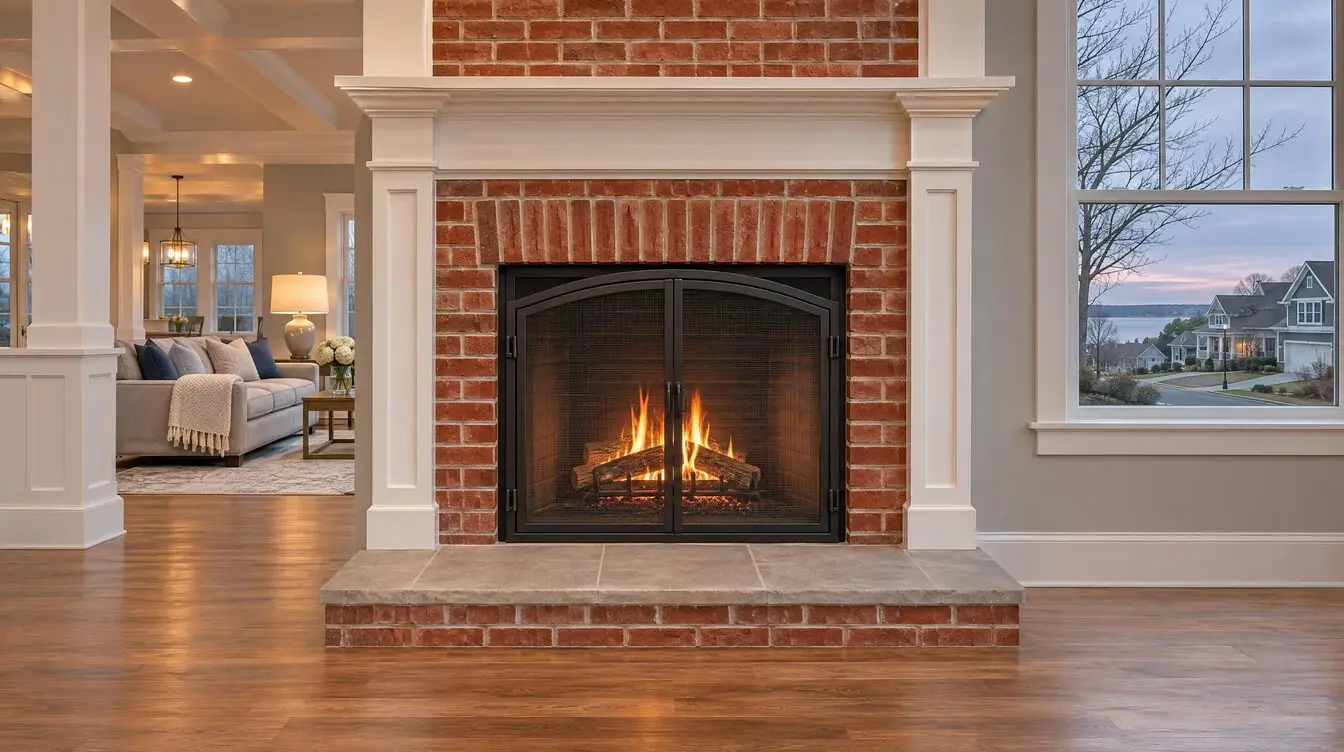
- Before the first fire, check that the damper opens, the screen is sturdy and nothing that can burn sits within three feet.
- Burn only dry, seasoned wood, and book a local pro for the sweep and inspection.
Many Hampton Roads homes have a fireplace that gets used a few weeks a year, starting with the first cold snap and ending by spring. That makes the yearly check easy to forget. Even if you rarely light it, animals can nest in a flue and masonry can wear down while it sits unused, according to the Chimney Safety Institute of America (CSIA). A little attention before the first fire is worth it.
The yearly checkWhat NFPA 211 asks for
NFPA 211, the national standard for chimneys, fireplaces and vents, calls for them to be inspected at least once a year for soundness, deposits and correct clearances. CSIA follows the same guidance. The National Fire Protection Association also advises having heating equipment and chimneys cleaned and inspected every year by a qualified professional.
Look for yourselfWhat you can check from the hearth
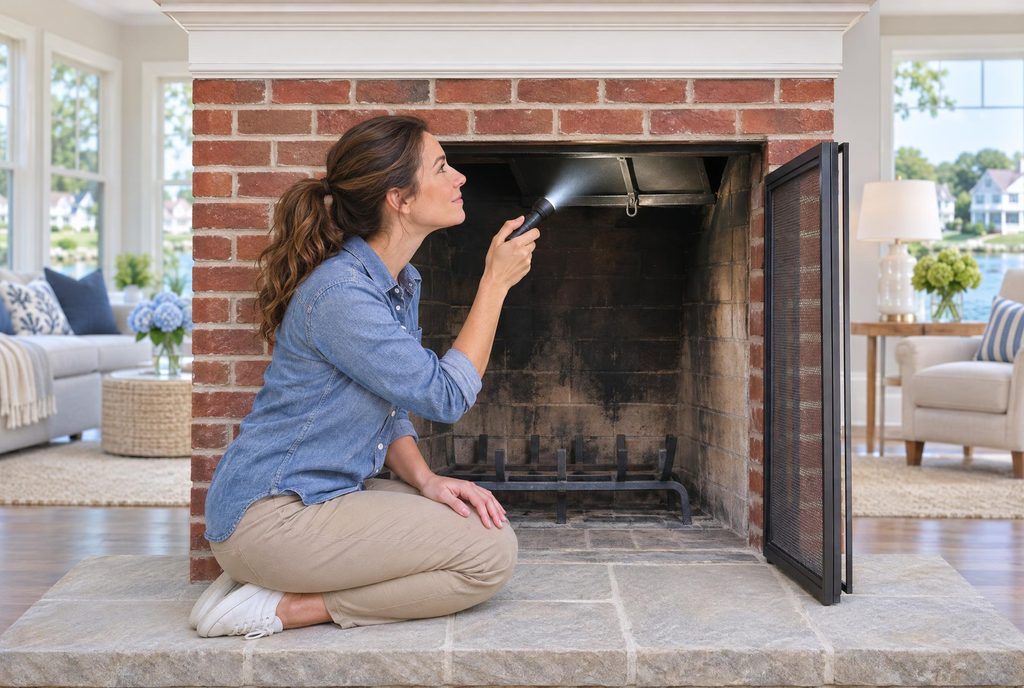
You do not need to climb on the roof. A flashlight is the main tool for these checks.
- The damper. CSIA says to look up into the fireplace with a flashlight and make sure the damper is fully open before you light a fire. A closed damper means smoke in the room.
- The firebox. Look for cracked or crumbling bricks, loose mortar and gaps.
- Soot and glaze. CSIA recommends sweeping a masonry fireplace when soot builds up to about an eighth of an inch, and sooner if you see a shiny, tar-like glaze.
- The screen. NFPA recommends a sturdy screen to keep sparks and embers in the fireplace.
- The space around it. Keep anything that can burn at least three feet away, including furniture, firewood and decorations.
- The smell. A strong tarry or smoky smell in humid weather points to creosote in the chimney, CSIA notes.
- The alarms. Test your smoke and carbon monoxide alarms before the first fire.
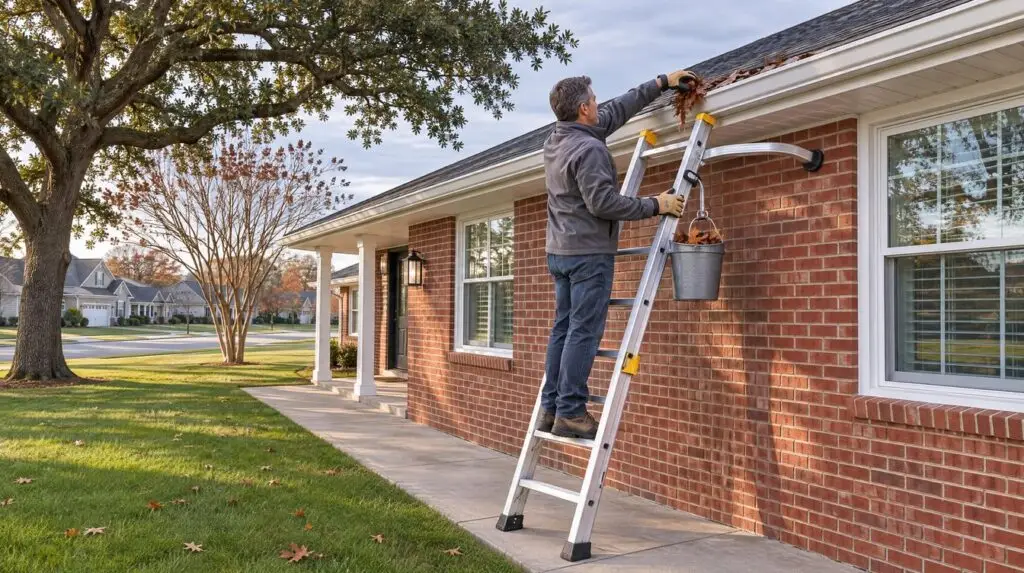
From the yard, you can also glance up at the chimney cap and the brick above the roofline. If anything looks cracked, leaning or missing, that is a reason to book a check.
What goes inBurn dry wood and handle ashes with care
CSIA says to burn only well-seasoned wood in a fireplace and nothing else. Trash, wrapping paper and foam packaging do not belong in there. Damp wood burns poorly and builds up creosote faster, so dry wood and regular sweeping help keep it down. CSIA also says chemical cleaning logs are no substitute for a sweep and an inspection. Let ashes cool before you scoop them into a metal container, and keep that container a safe distance from the house, as NFPA advises.
Your callRather have a pro handle it?
A flue often has bends you cannot see from below, so a pro may need a camera to inspect it. That is a good reason to leave the sweeping and the inspection to someone with the right tools. On HRHS you can search local chimney pros who serve your area, check qualifications and reviews, check availability, then request a bid or reach out, all in one place before you share any personal information. Start with Roofing and Gutter Services, which includes chimney sweep and inspection pros.
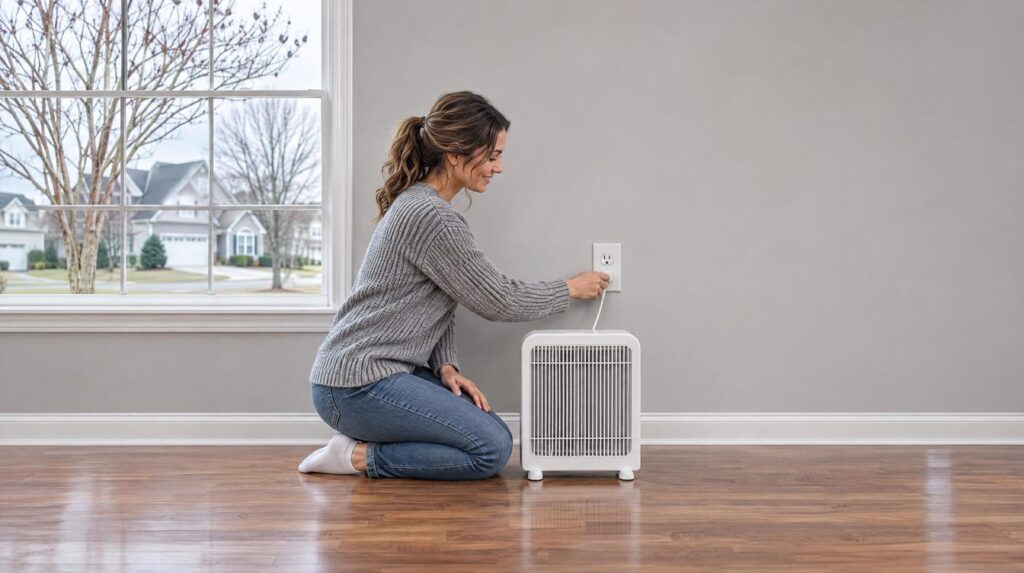
Is a fireplace not your only source of heat? Our guides to space heater safety and getting your heat pump ready cover the rest of your heating.
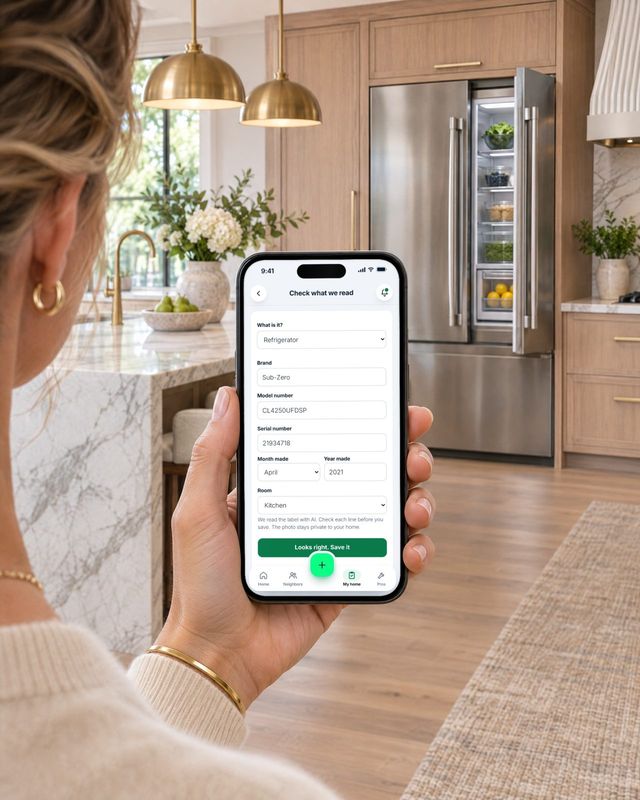
Want a reminder before it is due? Add your home to HRHS and start your free Home Report.
Common questions
How often should a chimney be cleaned?
NFPA 211 and CSIA call for an inspection at least once a year. A sweep is due when soot reaches about an eighth of an inch, or sooner if there is a glaze. If you burn often, buildup comes sooner, so ask your pro how often to sweep.
What is creosote?
Creosote is a flammable deposit left in a chimney when wood burns. It can build up as soot, or harden into a shiny, tar-like glaze that is hard to remove. A sweep removes it, and burning dry, seasoned wood helps keep it down.
Do gas fireplaces need checks?
Yes. Gas burns cleaner, but a chimney or vent can still be blocked by nests or debris. CSIA recommends a yearly inspection for every chimney, gas included. A carbon monoxide alarm nearby is a good idea too.
Can I clean my chimney myself?
You can sweep ashes out of the firebox and brush the hearth. The flue is different, since it has bends, a smoke chamber and sections you cannot see from below. A pro has the tools and, when needed, a camera, so that part is best left to them.
Is it safe to use my fireplace if I have not had the chimney checked?
If it has been a year or more, or you have noticed smoke in the room, a strong tarry smell or a damper that will not open, wait to light it until a pro has looked. If you are not sure, do not light it. You can find local pros and request a bid on HRHS.
What should I burn in my fireplace?
CSIA says to burn only well-seasoned wood. Do not burn trash, wrapping paper, pizza boxes or foam packaging. Damp or green wood smokes more and builds creosote faster.