- Unhook garden hoses before the first freeze. A hose left on traps water in the faucet.
- If an outdoor faucet has a shut-off inside, close it and drain the faucet.
- Cover outdoor faucets, and know where your main water shut-off is before you need it.
Freezing weather comes and goes in Hampton Roads. Most winters bring a handful of nights below freezing, usually starting sometime between late October and late November, and inland areas get them first. Because hard freezes are rare here, it is easy to forget the hose until the night it matters.
Water expands when it freezes. In a faucet or a pipe that runs through an outside wall, that is enough to split metal, and the leak often doesn’t show until the thaw. These habits are the ones that do the most to prevent that. They go with the home item Cover outdoor faucets and unhook hoses, which you can add to your free maintenance schedule so you get a reminder each November.
HosesUnhook every garden hose
This is the one to do first. A hose left screwed onto a faucet holds water in the faucet itself, even if the faucet is the kind built to resist freezing. That trapped water is what freezes and splits the pipe.
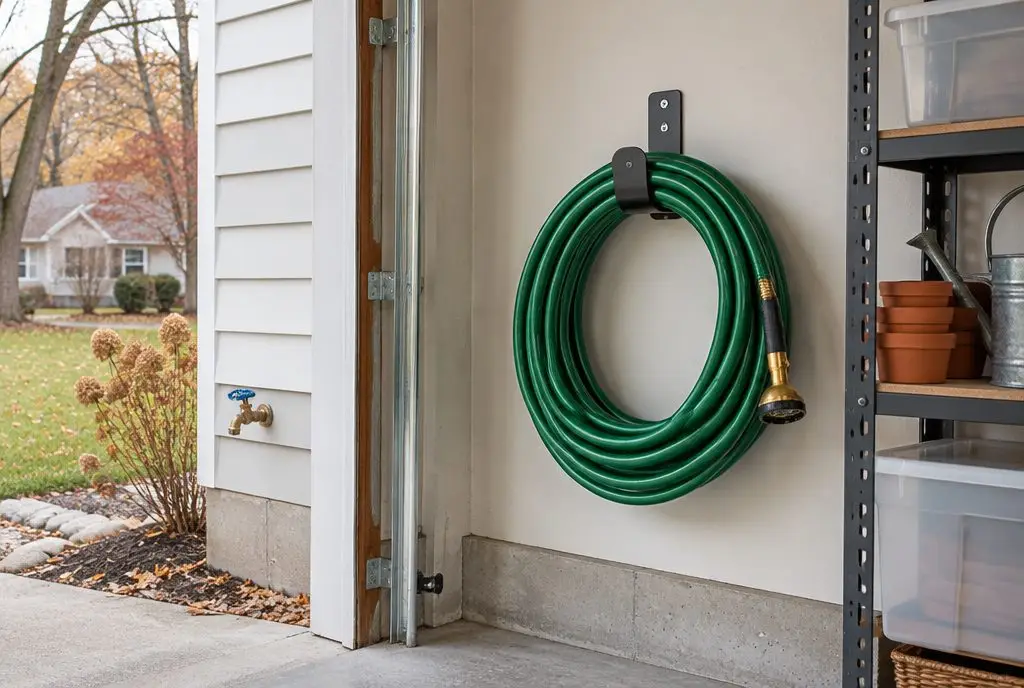
- Unscrew each hose, including the one by the garden you forgot about.
- Drain it by stretching it out on a slope or walking it in loops toward the open end.
- Coil it and store it in a garage or shed. Hoses last longer out of the cold and sun.
- Take off splitters, timers and quick-connect fittings too. They trap water the same way.
FaucetsShut off and drain what you can
Outdoor faucets (also called spigots, hose bibs or sillcocks) come in two common kinds.
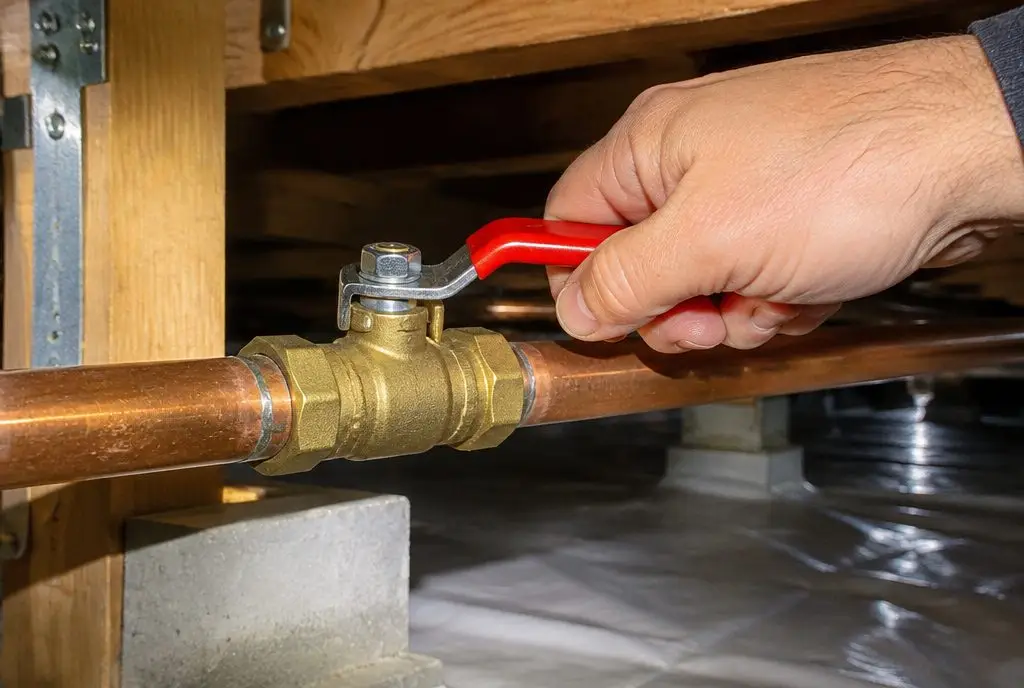
If yours has an indoor shut-off, often found in a crawl space, a utility room or under a sink on that wall, close it for winter. Then open the outdoor faucet to let the water drain out, and leave it open so any water left can expand without pressure. Close it again when you turn the water back on in spring.
CoversPut a cover on each outdoor faucet
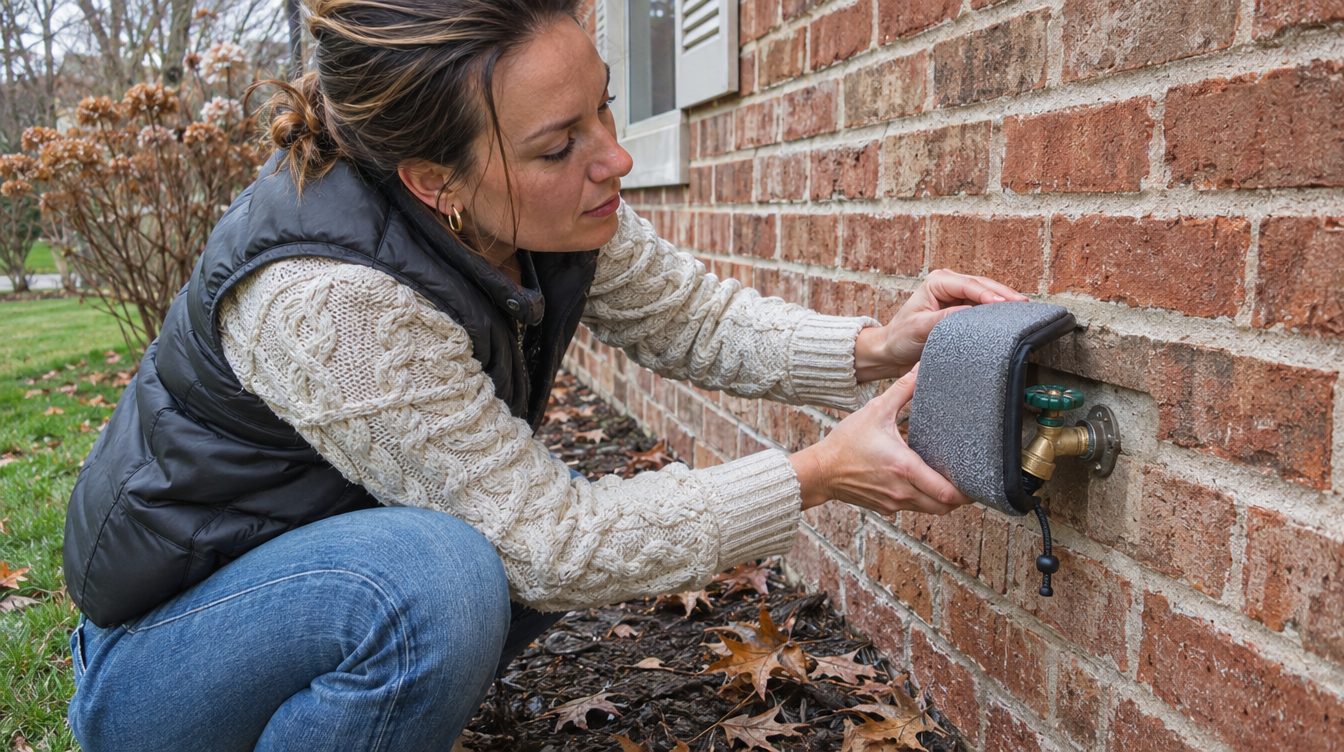
An insulated faucet cover is a cheap foam or fabric dome that fits over the spigot and holds against the wall. It traps a little of the house’s warmth around the faucet. It is a good extra layer for every kind of faucet, and a big help for one with no indoor shut-off.
Put covers on after the hoses are off, and check them after a windy storm. Hardware stores stock them every fall, and they tend to sell out before the first cold snap.
Cold nightsWhen a hard freeze is coming
When the forecast calls for a night well below freezing, especially with wind, a few more habits help pipes inside the house too:
- Open cabinet doors under sinks on outside walls, so warm air reaches the pipes.
- Let a faucet drip on the side of the house that gets coldest. Moving water is slower to freeze.
- Keep the heat on, even if you are away. A steady setting protects pipes in outside walls.
- Check the crawl space. Many homes here sit on crawl spaces. Make sure vents you open in summer are closed for winter, and that insulation on the pipes is still in place.
- Bring in or protect anything with water in it outside: a pressure washer, a sprinkler valve box, a backflow device.
Cold snaps also test your heating. See Getting your heat ready for its first real cold snap.
Just in caseKnow where your main shut-off is
If a pipe does split, every minute of running water adds to the damage. Find your main shut-off now, while nothing is wrong. In many Hampton Roads homes it is where the water line enters the house, often in the crawl space, a utility closet, or the garage. There is also a valve at the water meter near the curb, which your city’s water department controls.
Make sure it turns, and show everyone in the house where it is. If it is stuck or hard to reach, that is worth fixing before winter, not during a leak.
The best time to find your main water shut-off is on a dry, quiet day.
If you find a leak, close the main, open a faucet to relieve the pressure, and call a plumber. You can compare plumbers who serve your area on HRHS, see their reviews and availability, and reach out before you share any personal information.
Common questionsOutdoor faucet questions
Do I need to winterize outdoor faucets in Virginia?
Yes, even here. Hampton Roads gets fewer freezes than the rest of the state, but a single hard freeze can split an outdoor faucet or the pipe behind it. Unhooking hoses and adding a cover protects against the nights that catch people off guard.
When should I disconnect my garden hose?
Before the first freeze in the forecast. In Hampton Roads that is usually sometime between late October and late November. Many people do it when they change the clocks in early November.
Can a frost-free faucet still freeze?
Yes, if a hose is left attached. The hose holds water in the faucet, and that water can freeze and crack the pipe inside the wall. Take the hose off and a frost-free faucet does its job.
Do outdoor faucet covers really work?
They help, especially on short faucets with no indoor shut-off. A cover holds a little of the house’s warmth around the faucet. It works best along with unhooking hoses and draining what you can.
Should I let my faucets drip when it freezes?
On the coldest nights, a slow drip from a faucet on an outside wall helps keep water moving in those pipes. Open the cabinet doors under that sink too.
How do I know if a pipe froze?
Common signs are a faucet with little or no water on a freezing morning, frost on an exposed pipe, or a leak once it warms up. If you suspect a frozen or split pipe, close the main shut-off and call a plumber.
A few habits in November save a lot of trouble in January. For the rest of your yard this season, see Winter lawn care in Hampton Roads.