
- A light layer of leaves can be mowed in and left to feed the lawn.
- A thick, wet layer should come off the grass.
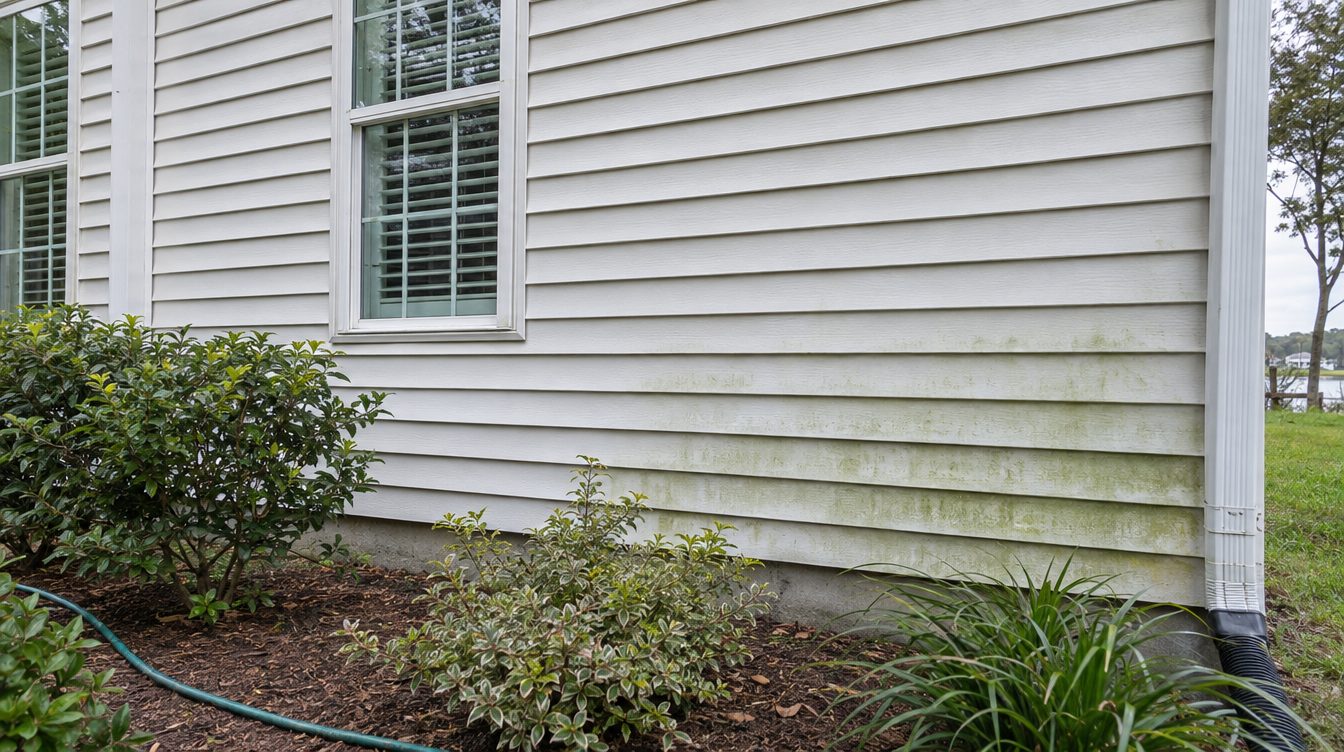
- Keep leaves out of gutters, downspouts and storm drains.
Oaks, maples and sweetgums drop a lot of leaves around Hampton Roads, and they keep falling well into December. You don’t have to bag every one. You just have to keep them from sitting on the grass in a thick, wet mat.
Light layersMow them in
When you can still see grass through the leaves, running the mower over them chops them into small pieces that settle between the blades and break down. It saves raking, and the pieces add a little to the soil.
Thick layersGet them off the grass
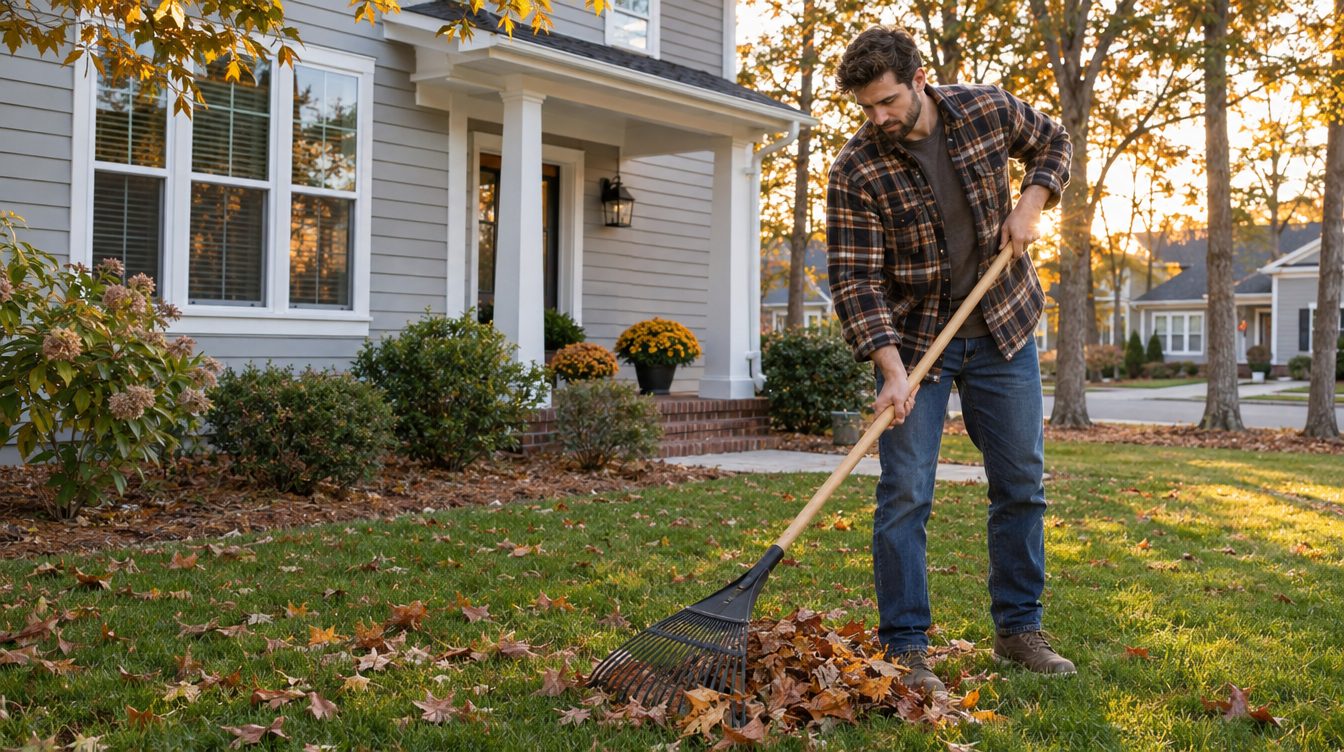
A heavy layer blocks light and holds moisture against fescue, which is growing right now. Rake or blow those leaves off the lawn before they mat down after a rain.
If you can’t see the grass, the leaves need to move.
ReusePut them to work in your beds
Shredded leaves make a good winter mulch around shrubs and in planting beds. Many homeowners pile the rest in a corner of the yard to break down into compost by next fall.
Gutters and drainsKeep them out of the water’s way
Leaves in gutters and downspouts send rainwater over the edge and toward your foundation. Leaves blown into the street end up in storm drains, which can back up during our heavy rains. Clear the gutters once most of the leaves are down, and keep the street side of the yard clean.